


1 | 10
← Exclusives
Omega
231.10.39.21.02.002, SEAMASTER AQUA TERRA, WHITE TEAK DIAL
$3,599
An Omega Seamaster Aqua Terra, ref. 231.10.39.21.02.002, in stainless steel at 38.5mm.
Text us about this


1 | 10


Cartier
W6701008, Ronde Solo de Cartier, Rose Gold
$3,750

Cartier
WSSA0046, Santos-Dumont Large, Black Lacquer
$7,100

Omega
231.10.39.21.02.002, Seamaster Aqua Terra, White Teak Dial
$3,599
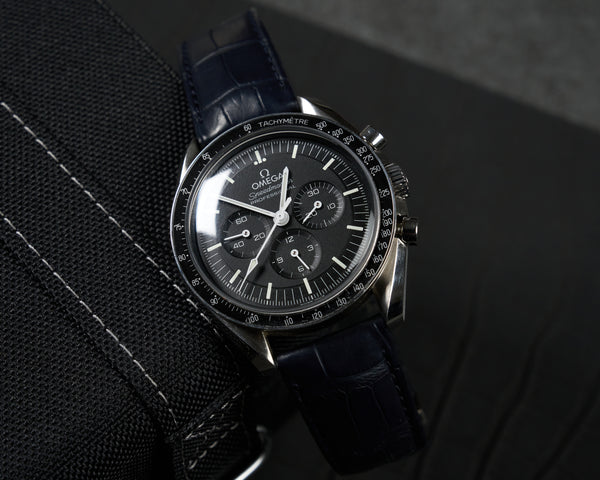
Omega
310.30.42.50.01.001, Speedmaster Professional Moonwatch, Hesalite
$5,250
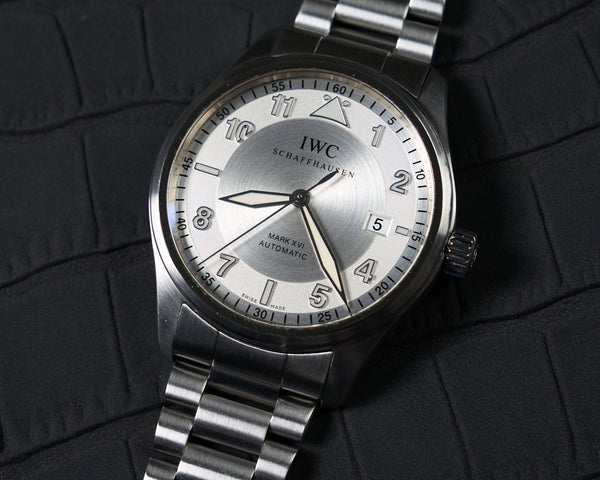
IWC
IW325505, Spitfire Mark XVI, Silver Dial
$2,700

Omega
326.30.40.50.01.001, Speedmaster Racing, Black Dial
$3,250

Omega
234.10.39.20.01.001, Seamaster 300 1957 Trilogy, Limited Edition
$4,750

Omega
310.92.44.51.01.001, Speedmaster Dark Side of the Moon, Black Ceramic
$14,750

Tudor
25610TNL, Pelagos LHD, Titanium

Omega
311.30.42.30.01.006, Speedmaster Professional, Sapphire Sandwich

Rolex
16030, Datejust, Buckley Dial

Omega
231.10.42.21.02.003, Seamaster Aqua Terra, Cream Dial

Cartier
WSSA0071, Santos de Cartier, Blue Dial

Rolex
14270, Explorer, Black Dial

Rolex
6426, Oyster Precision, Tropical Explorer Dial

Rolex
15200, Oyster Perpetual Date, Silver Dial

A. Lange & Söhne
A. Lange & Sohne 19mm Black Alligator Leather Watch Strap
$180

A. Lange & Söhne
A. Lange & Sohne 20mm Navy Alligator Leather Watch Strap
$225

Tudor
Tudor 22mm Black Watch Strap Long Length
$135

TAG Heuer
TAG Heuer Grey Zip Watch Travel Case Pouch
$36
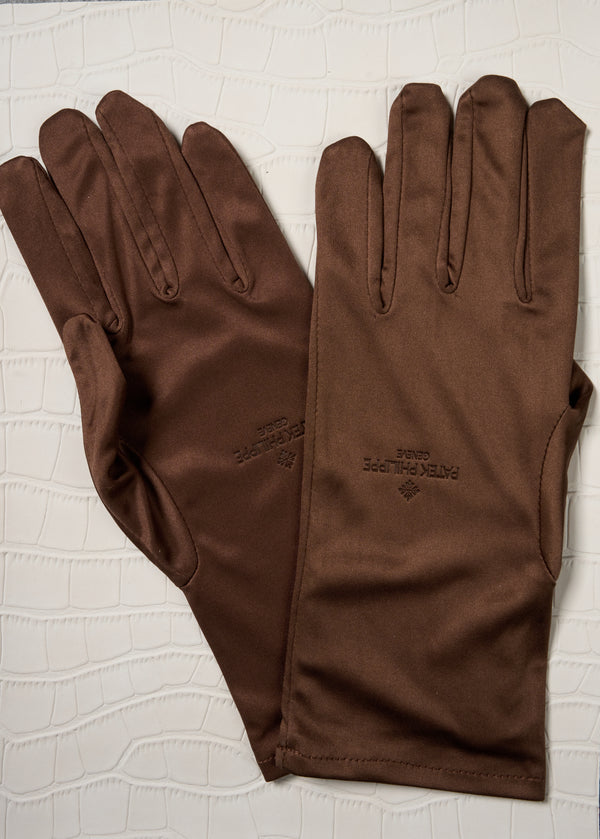
Patek Philippe
Patek Philippe Brown Watch Handling Gloves Dealer Size Small
$225

Rolex
Rolex Green Suede Watch Pouch with Cloth

Tiffany & Co.
Tiffany & Co 20mm Black Leather Watch Strap
$68

Omega
Omega Speedmaster 20mm Black Sailcloth Watch Strap
$180
Popular searches
1 | 10
Omega
$3,599
An Omega Seamaster Aqua Terra, ref. 231.10.39.21.02.002, in stainless steel at 38.5mm.
Text us about this1 | 10